
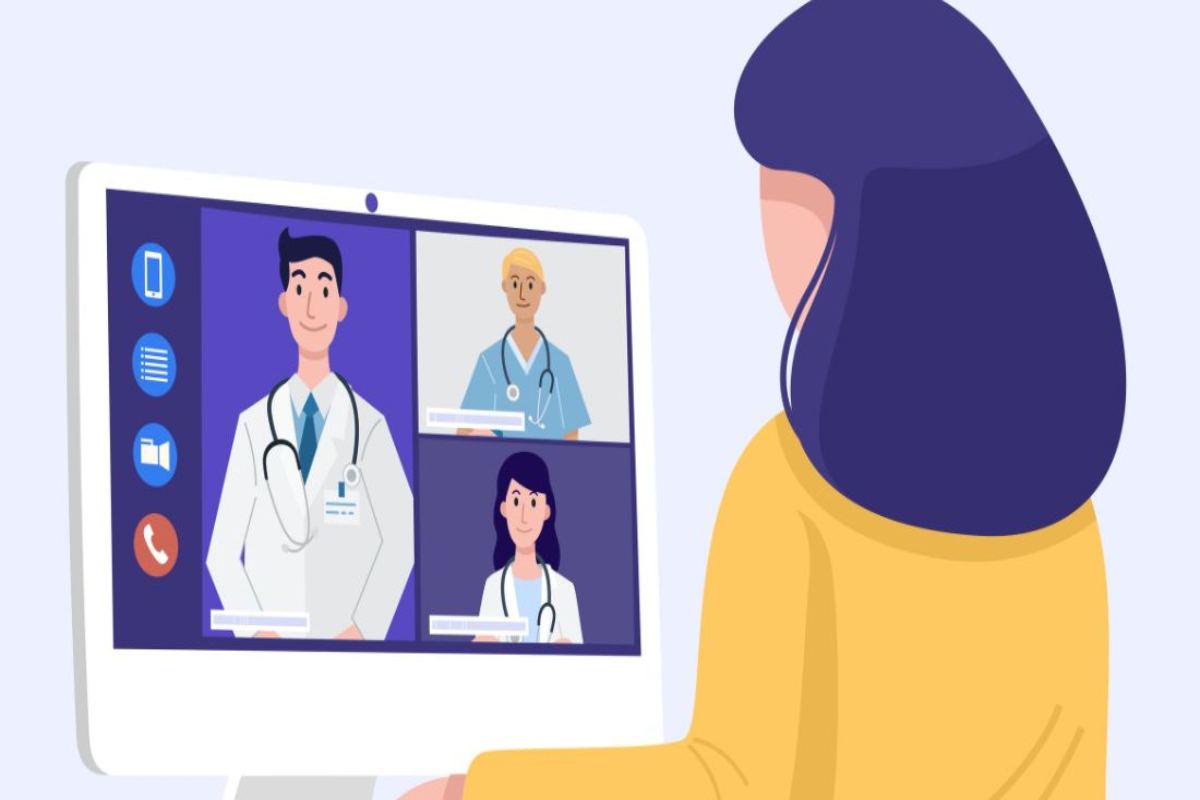
If you have ever wondered how modern healthcare systems guide patients to the right care at the right time — without always needing an in-person visit — Carenet Health is a name worth knowing.
Whether you are a health-conscious individual, a caregiver, or someone managing a chronic condition, understanding how platforms like Carenet Health work can help you make smarter, more informed decisions about accessing care.
Table of Contents
What Is Carenet Health?
Carenet Health is an American healthcare engagement and clinical support company that connects individuals with qualified medical professionals — including registered nurses, physicians, and health coaches — through telehealth technology, phone-based services, and digital platforms.
Founded within the Christus Santa Rosa Health System in San Antonio, Texas in 1988, Carenet was later acquired by a private investor group in 2004 and expanded into a nationwide healthcare support business serving health plans, hospital systems, employer groups, pharmacy benefit managers, and government-sponsored programmes such as Medicare and Medicaid.
In simple terms: Carenet Health acts as a bridge between everyday people and the healthcare system — especially when navigating that system feels confusing, expensive, or inaccessible.
Who Is Carenet Health For?
Carenet Health primarily serves people who interact with large healthcare organisations — but its impact reaches everyday patients directly. You benefit from Carenet’s services if:
- Your health insurance plan or employer has partnered with Carenet
- You have a chronic condition like diabetes, hypertension, or heart disease
- You want 24/7 access to a nurse for health advice without visiting an emergency room
- You need support understanding your treatment plan or medication
- You are recovering from a hospital stay and need post-discharge guidance
Carenet Health serves over one-third of the American population through relationships with more than 500 healthcare providers, payers, and service organisations — reflecting its significant reach in the healthcare engagement sector.
Core Services: What Carenet Health Actually Offers
1. Telehealth & Virtual Care
Carenet Health is one of the nation’s largest telehealth solution providers. Its teams of registered nurses, physicians, and behavioural health specialists deliver on-demand, around-the-clock access to virtual care through multiple channels — helping patients avoid unnecessary emergency, urgent, or primary care visits when possible.
This is particularly valuable for people in rural areas, those with mobility challenges, or anyone who cannot easily access a clinic during regular hours.
2. Nurse Advice Line (24/7 Clinical Triage)

One of Carenet’s most impactful services is its Nurse Advice Line — a round-the-clock telephone triage service staffed entirely by licensed registered nurses.
Carenet recruits only unrestricted licensed registered nurses with a minimum of three recent years of clinical experience. Nurses average more than 15 years of clinical experience and five years of telehealth experience, with intensive initial and ongoing training that covers URAC standards, HIPAA, and state and federal regulatory requirements.
The practical benefit? Instead of rushing to an ER at midnight for a symptom that turns out to be minor, you can speak with a qualified nurse who helps you assess what level of care you actually need.
Carenet reports a 95% average patient satisfaction rate for its Nurse Advice Line services, with consistently high Net Promoter Scores among members who value the reassurance and clear guidance provided during moments of uncertainty.
From a cost perspective, the results are striking. Carenet’s AI-powered Nurse Advice Line helped one leading health plan save $5.3 million in emergency room costs while improving member satisfaction and enhancing care efficiency.
3. Care Navigation & Health Advocacy
Navigating the healthcare system — understanding which specialist to see, what your insurance covers, or what your discharge instructions mean — can be deeply overwhelming.
Carenet provides patient advocacy, care navigation, medical decision support, hospital post-discharge management, emergency room diversion, disease and condition management, HEDIS and Star rating support, and medication adherence support.
These services are especially useful for patients newly diagnosed with a chronic illness, elderly individuals managing multiple conditions, or anyone who simply needs a knowledgeable guide through the system.
4. Chronic Disease Management
Chronic conditions — diabetes, hypertension, heart disease, COPD — require consistent monitoring, medication adherence, and lifestyle adjustments. Carenet’s clinical teams support patients in managing these conditions proactively.
The evidence behind this approach is strong. The Community Preventive Services Task Force (CPSTF) recommends telehealth interventions for improving medication adherence, clinical outcomes such as blood pressure control, and dietary outcomes among patients with chronic diseases — based on the findings of four systematic reviews.
This means that the kind of ongoing virtual support Carenet provides is not just convenient — it is clinically validated.
5. Behavioural Health Support
Mental health is inseparable from physical health, yet it is often the most underserved area in traditional healthcare.
Carenet’s behavioural health crisis support is integrated with its Nurse Triage and Advice Line, giving individuals access to licensed behavioural health clinicians for immediate de-escalation and coordination of longer-term mental health resources.
The Real-World Health Benefits of Carenet’s Model
Fewer Unnecessary ER Visits
Emergency room visits are expensive, stressful, and often avoidable for non-critical symptoms. When patients have 24/7 access to a qualified nurse who can assess their symptoms and guide them appropriately, they are far less likely to go to the ER unnecessarily. This means faster care, lower costs, and a less crowded healthcare system.
Better Chronic Disease Outcomes
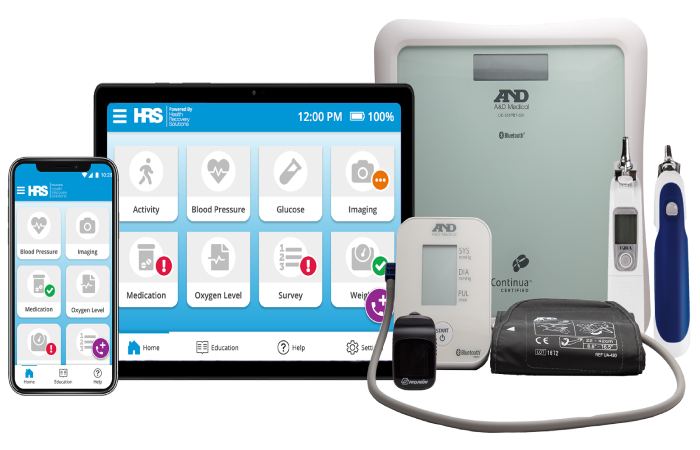
Research consistently supports the effectiveness of virtual care in managing long-term conditions. A systematic review published in PubMed Central found that telehealth can improve chronic disease management and enhance follow-up outcomes among patients with conditions including cancer and diabetes, with increased telemedicine use not associated with a rise in emergency department referrals or hospitalisations.
Improved Medication Adherence
One of the leading causes of poor health outcomes is patients not taking their medications correctly — missing doses, stopping treatment early, or not understanding instructions. Carenet’s clinical engagement programmes specifically address this.
Personalised Health Coaching
A national wellness company that partnered with Carenet scaled its virtual coaching services while maintaining quality, surpassing performance expectations with an 81% engagement rate among participants.
This kind of engagement-focused coaching translates directly into better lifestyle habits, improved condition management, and greater patient confidence.
Carenet Health and AI: What’s New in 2025–2026
Carenet has evolved significantly beyond telephone-based services. The company now integrates artificial intelligence into its engagement models.
Leveraging AI and rich engagement data, Carenet addresses the most challenging aspects of population health, equipping clients to meet evolving industry demands while delivering solutions that redefine consumer engagement and optimise operational efficiency.
What this means practically:
- Predictive outreach — contacting members before their health deteriorates
- Smarter triage — AI-assisted tools that help nurses make faster, more accurate care recommendations
- Personalised engagement — targeted health messages based on an individual’s health history and risk profile
Carenet partnered with a major Medicaid plan to achieve up to a 9.7:1 return on investment by integrating tech-enabled clinical support and proactive engagement services.
Common Myths About Telehealth and Carenet-Style Services
| Myth | Fact |
|---|---|
| “A nurse on the phone can’t really help me” | Licensed RNs with 15+ years of experience can safely triage symptoms, advise on medications, and guide care decisions |
| “Telehealth is only useful for minor issues” | Virtual care effectively supports chronic disease management, behavioural health, post-discharge follow-up, and preventive care |
| “It’s just a call centre” | Carenet’s staff are registered healthcare professionals, not general support agents |
| “Virtual care means lower quality” | Multiple peer-reviewed studies show telehealth outcomes are comparable to in-person visits for many conditions |
What to Expect If You Use a Carenet-Supported Service
If your health plan or employer uses Carenet, here is what your experience typically looks like:
- You call or message the nurse line with a symptom, concern, or question
- A registered nurse assesses your situation using evidence-based clinical guidelines (Carenet uses the Schmitt-Thompson Clinical Content — the global standard for telephone triage)
- You receive a clear recommendation — whether to manage at home, schedule a telehealth consult, see a doctor, or go to the ER
- Follow-up may be arranged if you have a chronic condition or were recently discharged from hospital
- Care coordinators may reach out proactively if your health data suggests a gap in care
Who Should Be Aware of Limitations
Carenet Health is a support and engagement service — not a replacement for direct medical care. You should always seek emergency services for:
- Chest pain or suspected cardiac events
- Stroke symptoms
- Severe breathing difficulties
- Major injuries or trauma
- Mental health crises requiring immediate intervention
The nurse advice line and virtual clinic are designed to complement and guide — not substitute — in-person emergency care when it is truly needed.
A Note on Evidence-Based Telehealth
The science strongly supports virtual healthcare engagement as a meaningful contributor to better health outcomes. The CDC’s Community Preventive Services Task Force recommends telehealth interventions for chronic disease management based on systematic reviews across cardiovascular disease, diabetes, hypertension, and more.
Additionally, research published in PLOS ONE via PubMed Central demonstrates that telehealth platforms significantly improve patient satisfaction, accessibility, and clinical metrics — particularly in diabetes care — by overcoming geographical barriers and enhancing patient engagement.
These aren’t abstract statistics. They represent real patients managing real conditions more effectively — with less travel, lower costs, and better support.
FAQs
Q1: What exactly is Carenet Health? Carenet Health is a U.S.-based healthcare engagement company offering telehealth services, 24/7 nurse advice lines, care navigation, chronic disease management, and health coaching to patients through partnerships with health plans, hospitals, and employers.
Q2: Is Carenet Health available to individual consumers directly? Carenet primarily works through health plans, employers, and healthcare organisations. Individuals typically access Carenet’s services through their insurance plan or employer health benefits — not by signing up independently.
Q3: What is a nurse advice line and how does it work? A nurse advice line is a 24/7 phone-based service staffed by licensed registered nurses. You call with a health concern, the nurse assesses your symptoms using clinical guidelines, and recommends whether you can manage at home, need a telehealth consult, or should seek in-person or emergency care.
Q4: Can Carenet Health help with mental health concerns? Yes. Carenet offers behavioural health crisis support integrated with its clinical services, including access to licensed behavioural health clinicians for immediate support and longer-term coordination.
Q5: How does Carenet Health use AI? Carenet uses AI to personalise patient outreach, improve triage accuracy, identify gaps in care, and help health plans engage members more proactively — especially those managing chronic conditions.
Q6: Is Carenet Health safe and clinically reliable? Yes. Carenet uses evidence-based clinical content (Schmitt-Thompson guidelines), employs only licensed RNs with extensive experience, and holds URAC Health Call Center Accreditation — a recognised standard for clinical call centre quality.
Q7: Is a service like Carenet Health relevant for people in India? While Carenet Health itself primarily operates in the U.S., the model it represents — 24/7 nurse triage, virtual care, and health coaching — is increasingly being adopted by Indian healthcare platforms and insurance providers. Understanding how these services work helps you evaluate similar offerings available in India.
Conslusion
Carenet Health represents a meaningful shift in how healthcare support is delivered — moving it from reactive, in-person-only encounters to proactive, always-available, technology-enabled care. From its 24/7 nurse advice line to AI-driven chronic disease management, it offers a model that genuinely improves health outcomes, reduces unnecessary costs, and puts patients in better control of their wellbeing.
Whether you are managing a long-term condition, supporting a family member through a health challenge, or simply want to make more informed healthcare decisions, understanding how platforms like Carenet Health work is a step toward smarter, healthier living.
Always consult a qualified healthcare professional for personal medical advice. This article is for informational purposes only.
