
Key Points
- Body weight is just one measure of fitness progress, says NASM Certified Personal Trainer Eugene Pallisco.
- Strength, waist size, and progress photos reveal changes the scale can’t.
- Simple at-home measurements can paint a clearer picture than the number on the scale alone.
The scale has earned its place as the go-to fitness tool for three simple reasons: it’s familiar, it’s easy to use, and it provides an objective number. Bathroom scales have been in homes for well over a century, and within seconds of stepping on one, you know exactly what you weigh. Unlike judging progress in a mirror, the number doesn’t depend on lightning, mood, or your perception.
It’s no surprise, then, that so many people rely on the scale to measure their progress. But is it the best way to judge your overall fitness? Researchers, health experts, and experienced personal trainers say no. If you check your weight every day and let the number dictate how you feel about your progress, it may be time to look beyond the scale and incorporate a few additional measurements for a more complete picture of your health and fitness.
Table of Contents
What’s Wrong With the Scale?
The biggest problem with the scale is that it only answers one question: “How much do I weigh?” It tells you nothing about how much of that weight is muscle, body fat, or water, or whether you’re becoming stronger or fitter. Eugene Pallisco, a NASM Certified Personal Trainer, says that many of his first time clients start off thinking that their main goal is to lose weight, when in reality they’re trying to achieve much more.
“99% of clients come to me with multiple goals that they’re often not even aware of, and often, all they’re doing is measuring that one goal, when in reality, they actually want to look lean, be able to run without losing their breath, or fit into clothes for a special occasion. These goals can’t be measured by looking at your weight,” Pallisco explained.
Popular magazine Men’s Fitness has reiterated their recent piece on The Case Against the Scale where they showed that the majority of their readers actually want to lose body fat, yet they continue to use the wrong scale – the wrong tool – for this.
What do Personal Trainers Use With Their Clients?
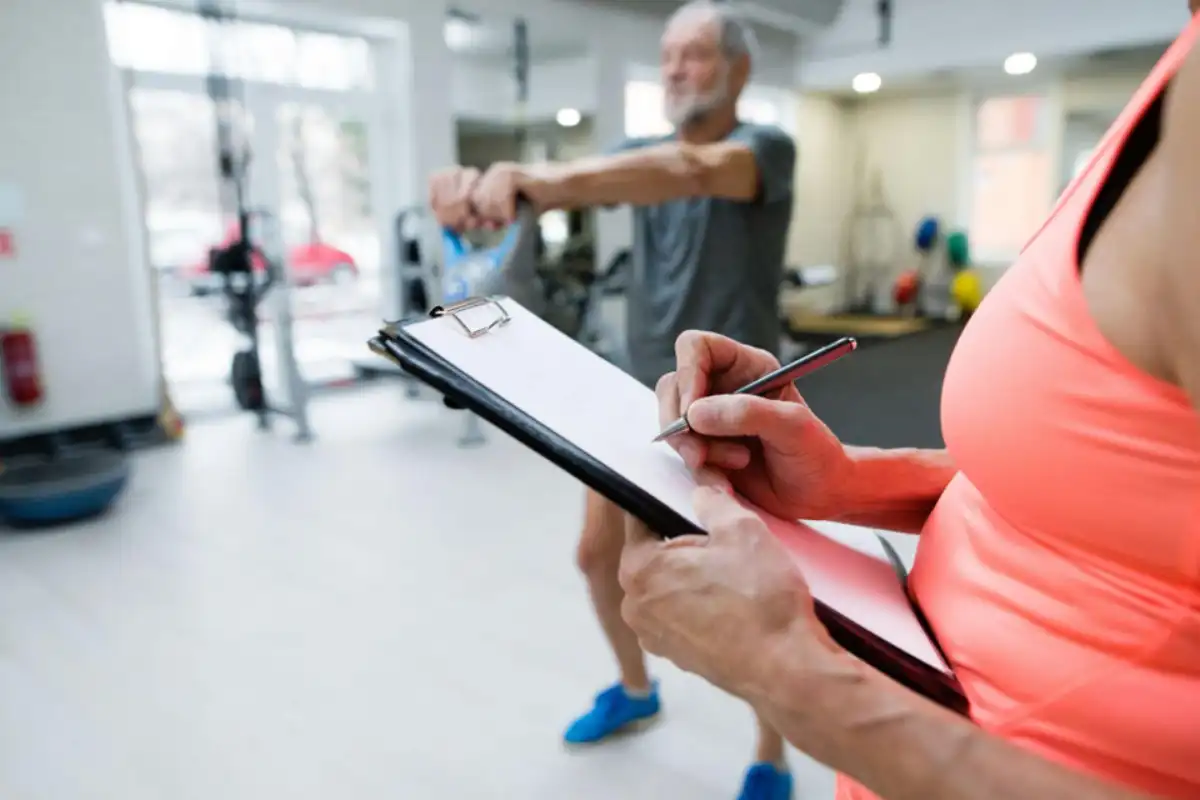
Pallisco says that most trainers combined several measurements.
“Before the first training session even begins, we assess much more than body weight. We look at waist and, in some cases, hip measurements, strength, cardiovascular fitness, medical history, and the client’s goals. We also pay close attention to how they’re feeling overall, whether they have more energy, less stress, better sleep, and greater confidence. Those improvements are just as meaningful as any number on the scale because they tell us whether the program is truly improving their quality of life.”
Some also use body fat estimates through skinfold calipers, bioelectrical impedance (BIA), or DEXA scans when available, though each method has limitations.
Isn’t the Scale the Most Accurate Measurement of Looking Good?
According to Pallisco, that’s not really the case.
“Looking good is, of course, subjective. But from what I’ve seen in clients, they start feeling more confident and positive about their progress when their body fat percentage, fat distribution, muscle mass, and posture improve. Those things can happen without the scale showing big changes.”
How Can You Measure Fitness Progress Without Fancy Equipment?
The good news is that you don’t need a DEXA scan, 3D body scanner, or expensive smart scale to know whether you’re making progress. Most personal trainers rely on simple, consistent measurements that anyone can take at home.
- Waist measurement: Measure your waist with a tape measure. A shrinking waist is one of the clearest signs that you’re losing body fat, even if your weight changes very little.
- Progress Photos: Progress photos can also reveal changes that the scale misses. Taking front, side, and back photos once a month in the same lighting and clothing makes it easier to spot improvements in muscle definition, posture, and overall physique.
- Strength Improvement: Strength is another valuable indicator. If you’re lifting heavier weights, completing more repetitions, or finding everyday activities easier, your fitness is improving regardless of what the scale says.
- Pay attention to how you feel: Better energy, improved endurance, quicker recovery, and clothes fitting more comfortably are all meaningful signs that your training and nutrition are working
How Not to Get Overwhelmed From Tracking Multiple Things
Most beginners don’t need six different metrics. Two or three metrics usually tell almost the whole story. Things like weekly average body weight, waist measurement, and strength in key exercises reveal much more than the scale on its own.
If you do want to start by tracking only one thing, look at what relates best to your goal.
For someone trying to improve overall health and physique, waist circumference is arguably the single best choice because it correlates with visceral fat. metabolic health, cardiovascular risk, changes in body composition. Unlike weight, your waist generally shrinks when you’re losing body fat.
It’s also inexpensive, repeatable, and easy to measure.
If your waist is decreasing while your strength stays the same or improves, you’re probably moving in the right direction.
FAQs:
1. How often should you weigh yourself?
Most experts recommend weighing yourself under the same conditions, such as first thing in the morning after using the bathroom, and focusing on weekly trends rather than daily fluctuations.
2. Can you lose body fat without losing weight?
Yes. If you gain muscle while losing fat, your body weight may stay the same even though your body composition and physique improve.
3. What’s the biggest mistake people make when tracking fitness progress?
Relying on a single metric. Looking at body weight alongside measurements such as waist circumference, strength, or progress photos provides a more accurate picture of long-term progress.
About Eugene Pallisco
Eugene Pallisco is a NASM Certified Personal Trainer and fitness coach based in Dallas, Texas. He specializes in strength training, body composition, and sustainable fitness, helping clients build healthier, stronger lifestyles through personalized, evidence-based coaching. He provides free resources and readings on his blog, which can be accessed here: https://www.eugeniopallisco.com/#blog
