

Most people preparing for a major operation, a mastectomy, hysterectomy, joint replacement, or any number of other procedures, spend their energy on the medical side: the surgeon, the hospital, the recovery timeline. Few think much about what’s actually hanging in the closet until the day they’re discharged and realize nothing they own works the way their body currently does.
That gap is bigger than it sounds. The right clothing can mean the difference between getting dressed independently and needing help for something as simple as putting on a shirt. It’s a detail that’s easy to overlook while focused on the surgery itself, but it shapes the day-to-day experience of recovery more than most people expect going in.
Table of Contents
Why Clothing Becomes Part of the Recovery Plan
Surgery changes what the body can do, often for weeks at a time. Reaching overhead, bending at the waist, or twisting at the torso may be off-limits depending on the procedure, and a regular pullover shirt or a pair of jeans can turn a simple task into a painful one.
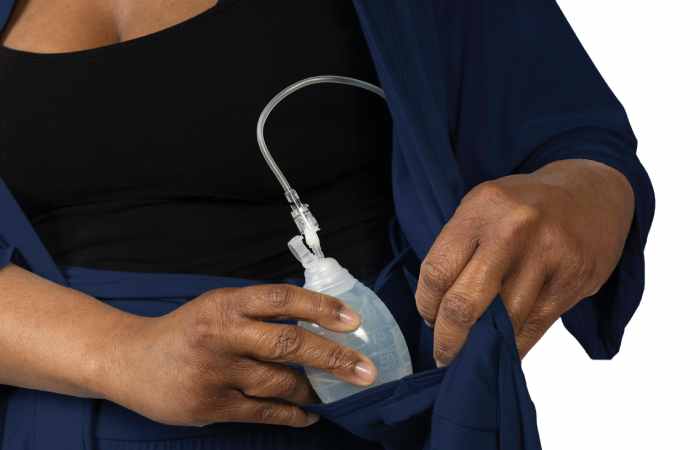
Surgical drains add another layer. Many procedures, particularly breast and abdominal surgeries, send patients home with small tubes that need somewhere secure to sit, away from tight waistbands or fabric that catches on the tubing.
Skin sensitivity and swelling round out the list. Incision sites are often tender, and standard seams, underwire, or stiff fabric can rub against areas that need to stay undisturbed while they heal.
Features Worth Building a Recovery Wardrobe Around
A few features show up again and again in what actually works after surgery, regardless of the procedure.
Front-opening closures, buttons, snaps, or zippers, replace the need to pull anything over the head or reach behind the back. Soft, breathable fabric like modal or cotton blends moves with the body instead of against it, which matters most directly over an incision.
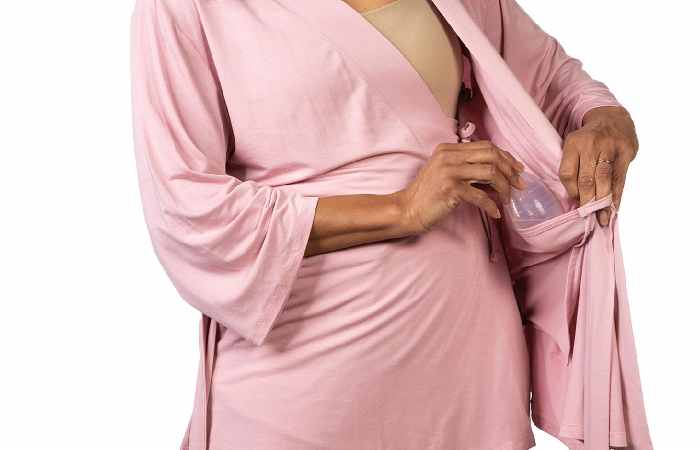
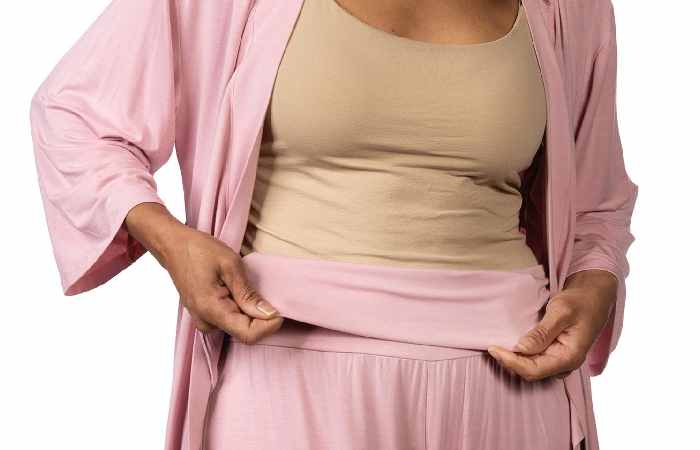
Waistbands matter more than people expect. A wide, soft band that sits clearly above or below an abdominal incision avoids pressure exactly where it shouldn’t be. For anyone managing surgical drains, interior pockets sewn into pajamas, robes, or tops keep the tubing secure instead of pinned in place or left dangling.
Footwear is easy to overlook. Slip-on shoes or grip-soled socks matter for anyone who can’t bend down to tie laces, or who’s at higher risk of a fall in the first few weeks.
Easy care matters too, even if it isn’t the first thing on anyone’s list. Machine-washable, low-iron fabrics cut down on laundry effort during a stretch when bending over a hamper isn’t realistic, and having two or three pieces in steady rotation means there’s almost always something clean and ready to wear.
What to Wear by Type of Surgery
The specifics shift depending on what was operated on.
After breast surgery, including mastectomy, lumpectomy, or reconstruction, the priority is avoiding any garment that requires lifting the arms overhead. Memorial Sloan Kettering recommends front-closure bras and soft, pocketed garments that can hold a breast form or surgical drain without putting pressure on the chest wall.
Hysterectomy and other abdominal procedures call for bottoms with a waistband that sits well clear of the incision, paired with soft, loose tops that don’t require twisting to put on.
Shoulder, neck, and back surgeries usually rule out pullover shirts entirely, since raising the arms or reaching overhead is often restricted for weeks. Front-opening tops with wide armholes tend to be the easiest option.
Hip, knee, and other orthopedic surgeries bring their own dressing challenges, since bending forward at the hip is frequently restricted early on. UMass Memorial Health recommends slip-on shoes and elastic-waist bottoms that can remain managed while seated, along with tools like a reacher for anyone dressing without help.
Comfort Supports the Rest of Recovery, Too
Clothing isn’t the whole picture, but it connects to nearly everything else that matters during healing. Clothing that doesn’t pull or pinch makes it easier to get the sleep the body needs to repair itself, and easier to move around the house, which in turn supports circulation and reduces stiffness.
It’s a small piece of a larger recovery plan that also includes nutrition, rest, and gradually increasing movement. It’s also often the piece people prepare for least, and notice the most once they’re actually home.
Building a Small Recovery Wardrobe
A handful of well-chosen pieces usually goes further than an entirely new closet. Two or three soft, front-opening tops or pajama sets allow for laundry rotation while drains are still in place, and one robe or wrap-style layer covers the in-between days when getting fully dressed feels like too much effort.
Recovery-focused apparel lines such as KickIt Recovery Wear – kickitrecoverywear.com – design specifically around these needs, with front-open tops, interior drain pockets, and fold-down waistbands meant to avoid pressure on a healing abdomen or chest.
Specific recommendations, particularly around compression garments, drain management, and how soon to switch back to regular clothing, should come from a surgeon or care team rather than a general guide. Recovery timelines and restrictions vary by procedure and by patient, and what works well for one person’s incision may not be appropriate for another’s.
